
The Hidden Key to Better Balance: Your Upper Cervical Spine
Why Balance and Proprioception Matter More Than You Think
Whether you’re a competitive athlete pushing for peak performance or a senior focused on maintaining independence, balance and proprioception are fundamental to your quality of life. What many people don’t realize is that one of the most crucial control centers for these abilities sits right at the top of your spine—and keeping it healthy through chiropractic care can make all the difference.

Understanding the Balance-Proprioception Connection
Proprioception is your body’s built-in GPS system—it’s how you know where your body parts are in space without looking at them. This sense allows you to walk without staring at your feet, catch a ball, or navigate a crowded room. Your balance system works hand-in-hand with proprioception, keeping you upright and stable during movement.
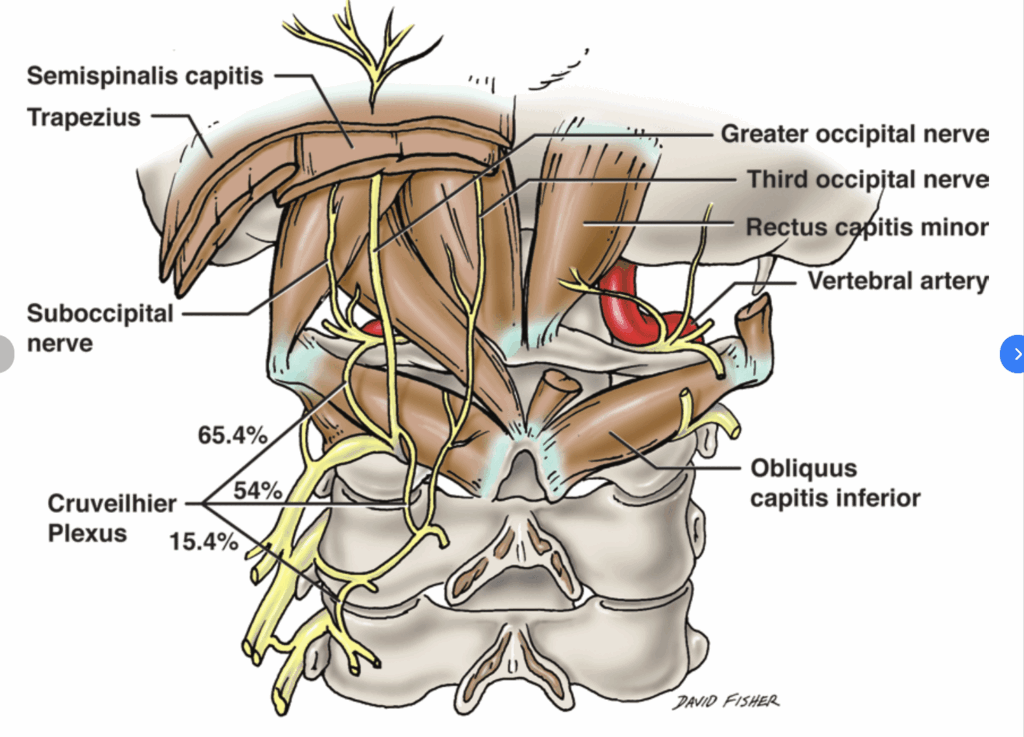
What’s remarkable is that your upper cervical spine plays a starring role in both systems. The suboccipital muscles in your neck contain an exceptionally high density of mechanoreceptors—specialized sensors that constantly feed your brain information about head position and movement. This area is so rich in proprioceptive nerve endings that it acts as a major command center for your entire balance system.
The Science Behind Upper Cervical Adjustment and Balance
Recent research has revealed compelling connections between cervical spine health and balance function. Studies show that cervical proprioception and its implications on postural stability are crucial in older adults, and understanding their relationship is important in understanding and preventing falls (Reid et al., 2014).
When your cervical spine is misaligned or restricted, it disrupts the flow of accurate proprioceptive information to your brain. Think of it like trying to navigate with a faulty GPS—you’ll make wrong turns and struggle to reach your destination efficiently. The cervical spine is vital for sensorimotor control of head and eye movement control, general body postural stability adjustments and coordination (Haavik & Murphy, 2012).
Research has demonstrated that cervical adjustments can directly improve these functions. Cervical mobilization led to significant improvements in dynamic balance, pain intensity, mobility, and partial improvements to proprioception in patients with neck issues (Milosavljevic et al., 2018). Another study found that cervical spine manipulation improved balance performance in older adults with cervicogenic dizziness (Lystad et al., 2014).
Why This Matters for Seniors: Fall Prevention
The statistics on falls among older adults are sobering. Over 14 million, or one in four older adults, report falling every year, and falls are the leading cause of injury-related death among adults ages 65 and older (CDC, 2024). Even more concerning, the age-adjusted fall death rate increased by 41% from 2012 to 2021 (CDC, 2024).
But here’s the encouraging news: research shows that falls are largely preventable, and improving cervical proprioception is a key strategy. Interventions to improve proprioceptive sensibility, functional mobility, and the limits of stability in elderly individuals may reduce falls (Barbosa et al., 2016).
Age-related decreases in cervical mobility and proprioception have been demonstrated (Treleaven, 2008), but this doesn’t mean seniors should accept declining balance as inevitable. Regular upper cervical adjustments can help:
- Restore proper cervical alignment and mobility
- Enhance proprioceptive signaling from the neck to the brain
- Improve postural stability and coordination
- Reduce dizziness and unsteadiness
- Build confidence in movement and daily activities
When your cervical spine functions optimally, you’re better equipped to catch yourself when you stumble, navigate uneven surfaces, and maintain stability during daily activities like reaching for items on shelves or turning quickly.
The Athletic Performance Edge
For athletes, the connection between upper cervical health and performance is equally compelling. Regular chiropractic care can boost athletic performance by up to 6.12%, primarily through the enhancement of joint mobility, muscle flexibility, and neuromuscular coordination (Botelho & Andrade, 2012).
Consider what happens during athletic performance: you need split-second reactions, precise body awareness, explosive power, and seamless coordination. All of these depend heavily on optimal proprioceptive input. When your upper cervical spine is properly aligned, it facilitates:
Enhanced Coordination and Reaction Time
Research has shown that when a motor task is preceded by cervical spine manipulation it results in altered sensorimotor integration as well as a change in the way the central nervous system responds to a functional task (Haavik et al., 2017). This improved neural processing can translate to faster reaction times and more efficient movement patterns.
Improved Strength and Power
Studies have demonstrated tangible performance improvements from cervical adjustments. One study involving judo athletes found that cervical spine manipulation led to a significant increase in grip strength (Botelho & Andrade, 2012). When your nervous system communicates optimally with your muscles, you can generate more force and power.
Better Movement Efficiency
A misaligned cervical spine can alter shoulder mechanics and increase the likelihood of rotator cuff strains in throwing athletes. By maintaining proper cervical alignment, athletes can move more efficiently, reduce compensatory patterns, and decrease injury risk.
Faster Recovery
Chiropractic care helps athletes bounce back faster by optimizing the body’s natural healing mechanisms. When your nervous system functions without interference, your body can repair and adapt to training stress more effectively.
Professional athletes across all sports have recognized these benefits. Every team in the National Football League has a chiropractor on staff, and elite athletes from Tiger Woods to Usain Bolt have credited chiropractic care as essential to their success.
The Cervical-Vestibular-Visual Connection
Your balance system relies on three primary inputs: proprioception (body position sense), vestibular (inner ear), and visual systems. These three work together constantly to keep you oriented and stable. Your upper cervical spine has direct neural connections to both your vestibular and visual systems.
Postural stability changes happen because of changes in the sensory input between the upper cervical spine and the vestibular structures (Treleaven, 2008). When cervical input is disrupted, your brain receives conflicting signals, leading to dizziness, unsteadiness, and impaired balance.
This explains why more than 70 percent of patients with chronic whiplash associated disorder report dizziness and 50 percent report visual and balance disturbances—even though they do not have any vestibular problems (Treleaven et al., 2005). The issue isn’t with the inner ear; it’s with faulty cervical proprioceptive input disrupting the entire balance system.
Taking Action: What You Can Do
Whether you’re an athlete seeking competitive advantage or a senior focused on fall prevention, optimizing your upper cervical spine health should be a priority. Here’s how to get started:
1. Get Regular Upper Cervical Adjustments
Work with a chiropractor who specializes in upper cervical work. Regular adjustments maintain proper alignment, restore joint mobility, and ensure optimal proprioceptive signaling.
2. Stay Active
Movement is essential for maintaining proprioceptive health. Engage in activities that challenge your balance and coordination:
- For seniors: Tai chi, gentle yoga, walking on varied terrain
- For athletes: Balance training, agility drills, sport-specific movements
3. Address Issues Early
Don’t wait until you’re experiencing significant balance problems or performance declines. Cervical muscle flexor fatigue decreases neck proprioception and postural stability, so preventing overload and maintaining cervical health is crucial.
4. Focus on Comprehensive Care
Combine chiropractic adjustments with appropriate exercises, proper ergonomics, and stress management for optimal results.
The Bottom Line
Your upper cervical spine is far more than just a stack of bones—it’s a critical control center for balance, coordination, and body awareness. Research consistently demonstrates that maintaining cervical health through adjustments can significantly improve proprioception and balance.
For older adults, this translates to reduced fall risk, maintained independence, and enhanced quality of life. For athletes, it means improved performance, faster recovery, and a competitive edge. Regardless of your age or activity level, investing in your upper cervical health is investing in your overall function and well-being.
The good news? These improvements are achievable through safe, natural chiropractic care. By keeping your upper cervical spine properly aligned and mobile, you’re giving your body the best possible foundation for optimal balance, coordination, and performance.
Ready to experience the benefits of improved balance and proprioception? Contact my office today to schedule your upper cervical evaluation and take the first step toward better function and reduced fall risk.

CATEGORY
1/15/2026
POSTED
The Hidden Key to Better Balance: Your Upper Cervical Spine
SUBJECT TAGS
Products you might love:
Check Out DōTERRA Here


Essential oils are a great all-natural solution for so many health issues. DōTERRA is a brand I love and trust because their oils are sourced at the highest standard and never mixed with any fillers!

Learn More About BEMER

My BEMER mat is one of my secrets to a fast and healthy recovery! It helps stimulate healthy muscles to improve and facilitate performance. Just two 8 minute sessions per day will have you feeling the difference!


COMMENTS